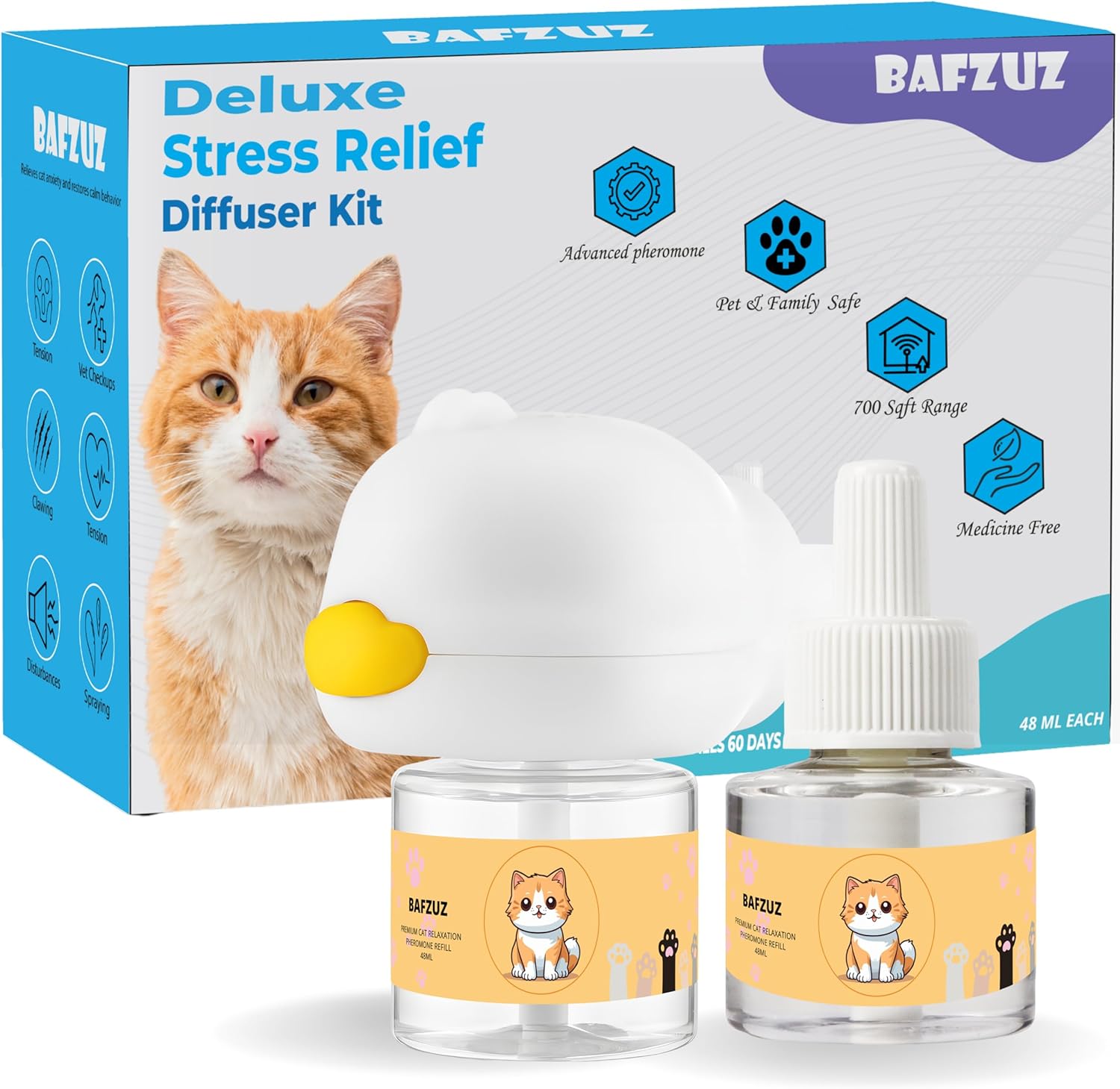
Feline health and behavioral science has advanced significantly in recent years, giving cat owners access to more evidence-based guidance than ever before. This comprehensive guide explores cat anxiety relief evidence based natural through the lens of current veterinary research — providing actionable insights backed by peer-reviewed science and expert recommendations from leading animal health institutions.
- The Research Foundation: Understanding Cat Anxiety Relief Evidence Based Natural
- What Leading Veterinary Institutions Recommend
- Practical Implementation: Evidence-Based Approaches
- Long-Term Wellness and Prevention Strategies
- Common Misconceptions and What Science Says
- Frequently Asked Questions
- Key Takeaways
The Research Foundation: Understanding Cat Anxiety Relief Evidence Based Natural
VCA's board-certified veterinary behaviorists recommend pheromone-based interventions as a first-line approach before considering pharmaceutical options for feline anxiety. This foundational research has transformed how veterinarians and informed pet owners approach feline wellness — shifting the focus from reactive symptom management toward proactive, prevention-oriented care strategies that address underlying causes.
What Leading Veterinary Institutions Recommend
According to the AVMA, feline anxiety and stress-related conditions are among the most commonly reported behavioral issues in domestic cats. These expert recommendations reflect decades of clinical observation and research, providing cat owners with a clear framework for making informed decisions about their pet's daily care and long-term health management.
Practical Implementation: Evidence-Based Approaches
Translating research into daily practice is where theory meets real-world effectiveness. Consistent environmental management, early behavioral intervention, appropriate enrichment strategies, and regular veterinary partnership form the cornerstone of excellent feline care.
Long-Term Wellness and Prevention Strategies
A study published in the Journal of Feline Medicine and Surgery found that environmental enrichment and pheromone therapy significantly reduced stress indicators in domestic cats. Long-term feline wellness depends on establishing consistent preventive routines early and maintaining them throughout the cat's life, adapting approaches as health needs evolve with age.
Common Misconceptions and What Science Says
Several widely held beliefs about feline health have been challenged by emerging research. Understanding what the science actually supports — rather than relying on anecdotal or outdated information — empowers cat owners to make significantly better decisions for their pets.
Key Takeaways
- Evidence-based approaches consistently outperform anecdotal or outdated methods for feline health management
- Leading veterinary institutions including Cornell, AVMA, VCA, and ASPCA support proactive, prevention-oriented care strategies
- Early intervention in feline behavioral and health issues produces measurably better outcomes than delayed treatment
- Regular veterinary partnership combined with informed daily home care creates the most comprehensive protective approach available
- Natural, supportive wellness approaches play an increasingly validated role in modern feline health management