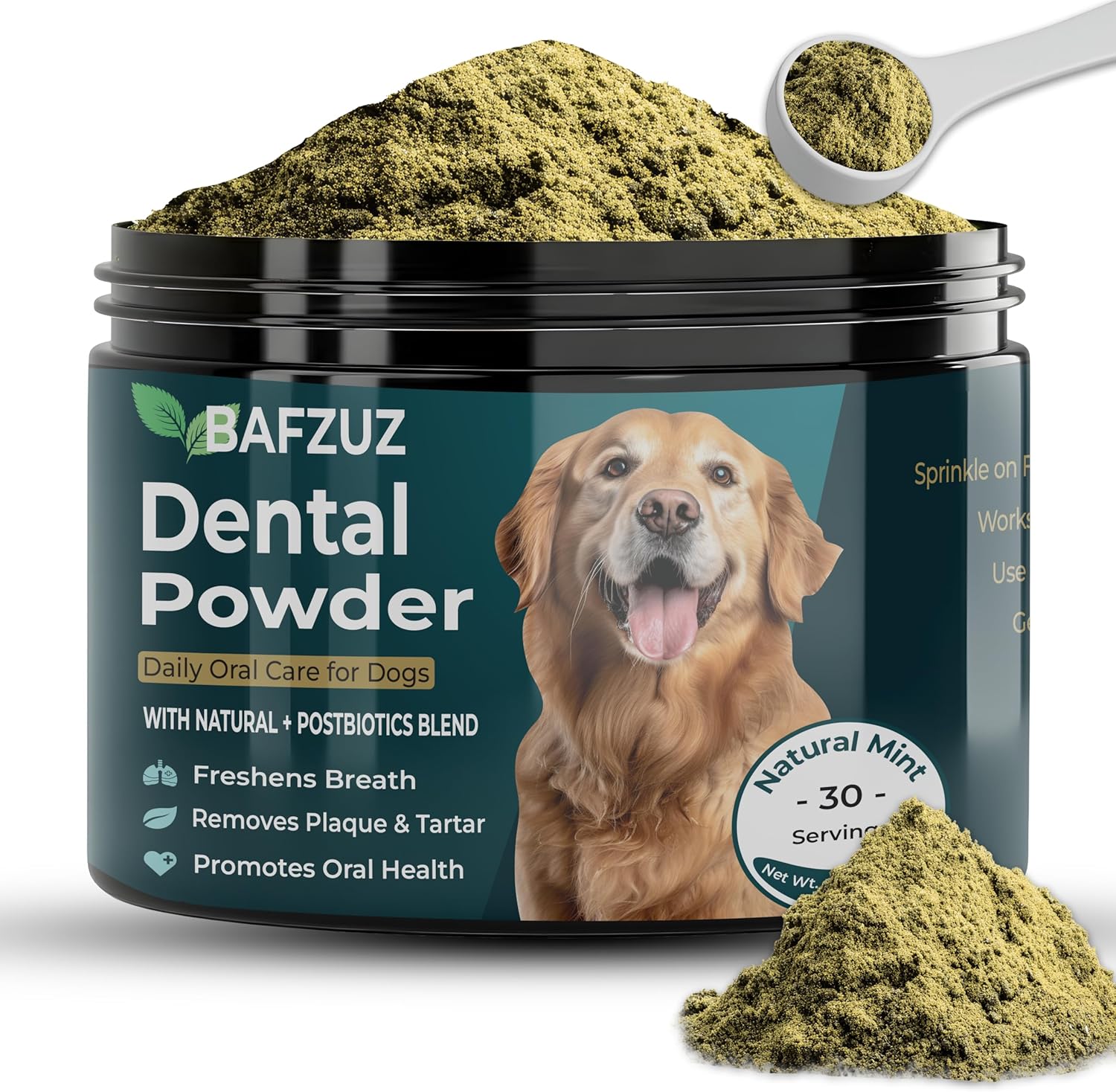
Canine dental health represents one of the most significant and frequently underestimated aspects of overall dog wellness. This comprehensive guide examines science canine periodontal disease through current veterinary research and evidence-based practice recommendations — providing dog owners with the scientific foundation and practical guidance needed to protect their pet's oral and systemic health effectively.
The Scientific Foundation: Science Canine Periodontal Disease
Studies indexed in the NIH National Library of Medicine document the systemic health consequences of untreated periodontal disease in dogs, including links to cardiovascular and renal conditions. This research has fundamentally changed how veterinary professionals approach canine dental care — establishing daily preventive home care as essential rather than optional for maintaining long-term dog health.
Research ReferenceStudies indexed in the NIH National Library of Medicine document the systemic health consequences of untreated periodontal disease in dogs, including links to cardiovascular and renal conditions.
Read more: National Institutes of Health →
Veterinary Expert Consensus and Recommendations
VCA's veterinary team explains that bacteria from infected gum tissue can enter the bloodstream and affect major organs, making oral health a systemic health priority. The veterinary community's growing consensus is that the gap between recommended and actual dental care practices represents one of the most significant preventable health risks for companion dogs.
🩺 Veterinary Expert PerspectiveBoard-certified veterinary dental specialists note that the long-term outcomes for dogs receiving consistent daily preventive care are dramatically better than those relying solely on periodic professional interventions.
The Systemic Health Implications
Research published in the Journal of Veterinary Dentistry demonstrates that natural algae-based supplements can reduce plaque accumulation by up to 30% with consistent daily use. Understanding dental disease as a systemic health issue — not merely a cosmetic concern — fundamentally changes how dog owners should prioritize and approach daily oral care routines.
Expert SourceVCA's veterinary team explains that bacteria from infected gum tissue can enter the bloodstream and affect major organs, making oral health a systemic health priority.
Source: VCA Animal Hospitals
Daily preventive dental care consistently produces better long-term canine health outcomes than reactive treatment. The investment in daily prevention pays compounding returns over a dog entire lifetime.
Evidence-Based Daily Care Approaches
Research consistently demonstrates that the effectiveness of any dental care approach is determined primarily by consistency rather than complexity. Simple daily interventions maintained reliably over time produce significantly better outcomes than periodic intensive interventions.
Supporting ResearchResearch published in the Journal of Veterinary Dentistry demonstrates that natural algae-based supplements can reduce plaque accumulation by up to 30% with consistent daily use.
Full research: Journal of Veterinary Dentistry
Prevention Economics: The Case for Daily Care
The economic argument for preventive dental care is compelling. Professional dental cleanings under anesthesia carry both financial costs (typically $300-1,000 per procedure) and health risks. Daily preventive approaches cost a fraction of this while continuously working to reduce disease progression.
Key Takeaways
- Evidence-based approaches consistently outperform anecdotal or outdated methods for canine health management
- Leading veterinary institutions including AVDC, AKC, VCA, and ASPCA support proactive, prevention-oriented care strategies
- Daily dental care routines established early in a dog life produce the most significant long-term oral and systemic health benefits
- Regular veterinary partnership combined with informed daily home care creates the most comprehensive protective approach available
- Natural, supportive wellness approaches play an increasingly validated role in modern canine health management
❓ Frequently Asked Questions
What does current research say about canine dental disease prevention?
Research from institutions including National Institutes of Health demonstrates that consistent daily oral care significantly reduces the progression of periodontal disease. The scientific consensus supports daily intervention as substantially more effective than periodic intensive treatment.
How quickly do evidence-based dental interventions show results?
Clinical studies show measurable improvements in oral bacterial load and plaque accumulation within 14 to 28 days of consistent daily intervention. Visible gum color improvement and breath change are typically noticed by owners within the first two weeks.
When is veterinary dental treatment necessary despite home care?
According to guidelines from the American Veterinary Dental College, professional veterinary dental assessment is recommended annually for all dogs, and professional cleaning is indicated whenever significant tartar accumulation, gum recession, or tooth mobility is present regardless of home care consistency.
Are natural dental supplements scientifically validated?
Yes — research published in the VCA Animal Hospitals and indexed through Journal of Veterinary Dentistry has documented the effectiveness of natural ingredients including ascophyllum nodosum (brown algae) in reducing plaque accumulation. These natural approaches are increasingly incorporated into evidence-based veterinary dental care recommendations.
📋 Disclaimer
This article is for informational and educational purposes only and does not constitute veterinary advice. Always consult your veterinarian before starting any new pet health product or routine. Individual results may vary. BAFZUZ™ products are not intended to diagnose, treat, cure, or prevent any disease or medical condition.