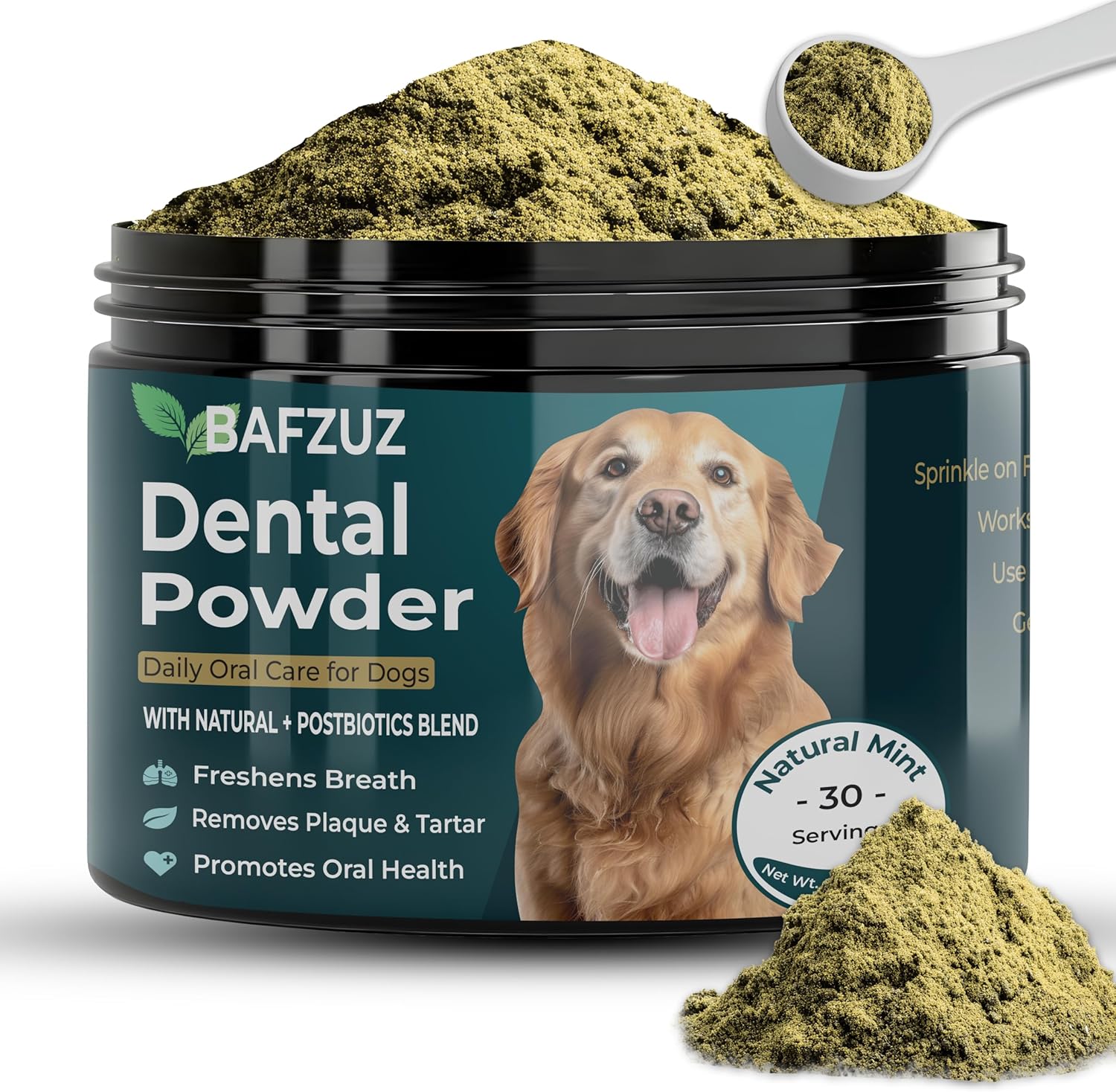
Dog owners who prioritize preventive care give their pets the best chance at a long, healthy, comfortable life. Understanding senior dog dental care older pets — supported by current veterinary research — is essential for making informed decisions about your dog's daily wellness routine. This guide from BAFZUZ™ Pet Wellness Guide covers what the science says, what experts recommend, and what practical steps you can take starting today.
The Current Research on Senior Dog Dental Care Older Pets
Veterinary science continues to deepen our understanding of canine health. The ASPCA recommends daily dental care as part of every dog's routine wellness program, noting that prevention is significantly more effective than treatment. These findings have practical implications for how dog owners approach daily care routines — highlighting the value of consistent preventive measures over sporadic intensive treatment.
What Veterinarians Recommend
Veterinary professionals consistently advocate for proactive, daily care routines over reactive treatment approaches. Studies indexed in the NIH National Library of Medicine document the systemic health consequences of untreated periodontal disease in dogs, including links to cardiovascular and renal conditions. The underlying message from the veterinary community is clear: small consistent actions taken daily produce significantly better long-term health outcomes than larger interventions taken infrequently.
Building a Practical Daily Care Routine
The most effective dog care routines are those that fit naturally into daily life. Consistency matters more than complexity — a simple routine maintained every day outperforms an elaborate one followed sporadically. Identifying the highest-impact daily habits for your specific dog, based on their age, breed, and health status, is the foundation of effective preventive care.
Key Takeaways for Pet Owners
- Evidence-based approaches to canine care consistently produce better outcomes than uninformed reactive responses
- Early recognition of dental and health warning signs in dogs allows for earlier, more effective intervention
- Consistency in daily care routines is the single most important factor in long-term dog health and wellbeing
- Regular veterinary consultation combined with informed home care creates the most comprehensive protective approach
- Natural, supportive wellness approaches play an increasingly validated role in modern canine health management